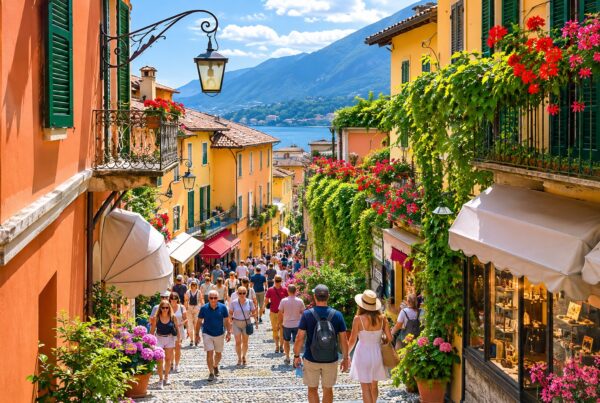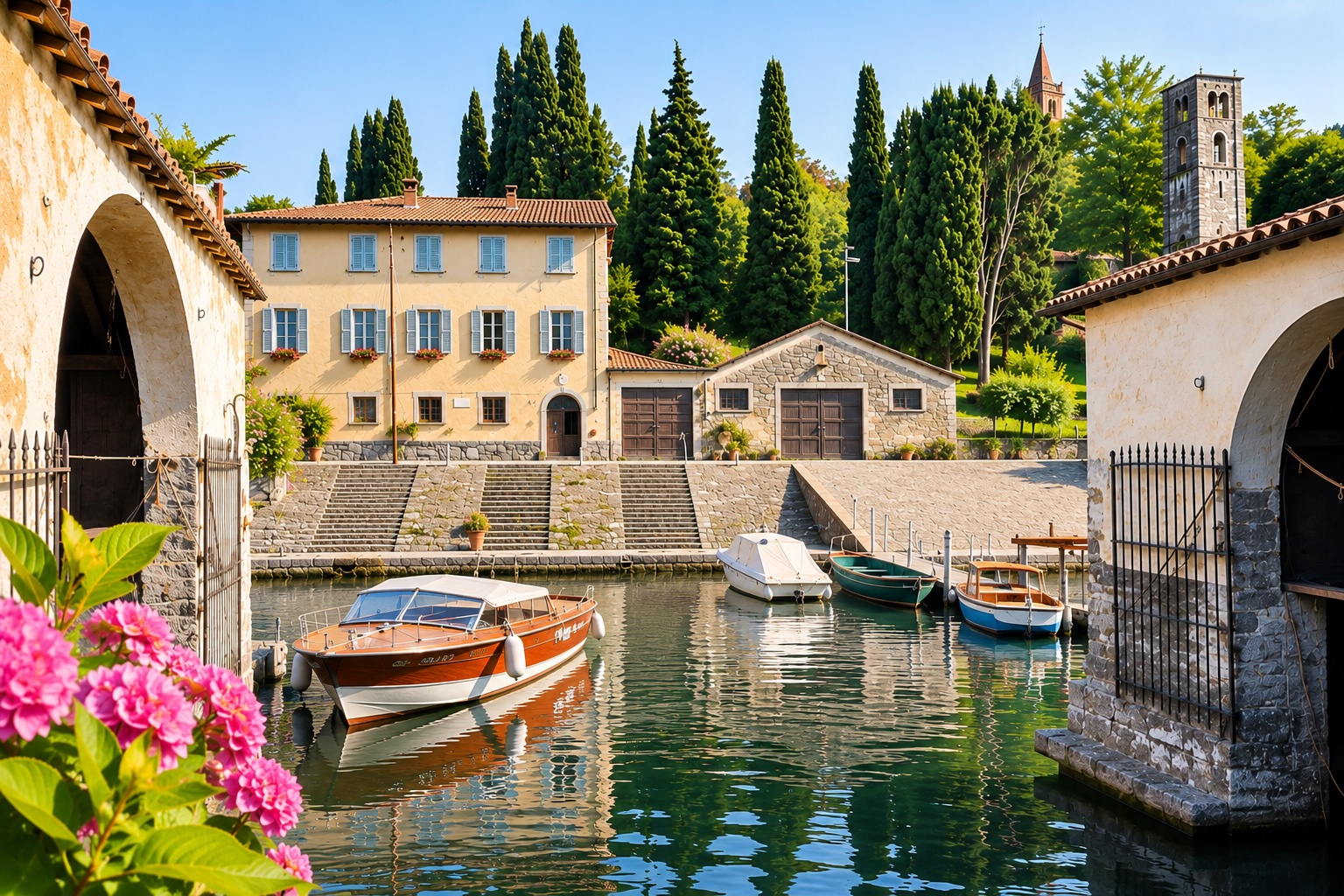
Bellagio is one of the most visited destinations on Lake Como, famous for its elegant waterfront, picturesque streets and magnificent historic villas. Every year, travellers from around the world arrive to admire its spectacular scenery, explore the colourful historic centre and enjoy the atmosphere of one of Italy’s most beautiful lakeside towns. Yet beyond the familiar attractions and busy pedestrian streets, Bellagio has another side that many visitors never experience.
The town extends well beyond the historic centre, encompassing traditional hamlets, peaceful lakeside paths, hillside villages and panoramic viewpoints that reveal a quieter and more authentic character. Some of these places are only a short walk from the main tourist areas, while others require a little more time to reach. For travellers willing to explore beyond the usual itinerary, these hidden gems offer an opportunity to experience Bellagio from a different perspective, away from the crowds and closer to the everyday life of Lake Como.
Pescallo: A Peaceful Fishing Village Behind Bellagio
Just a short walk from the historic centre, Pescallo is one of Bellagio’s most charming and surprisingly peaceful locations. Situated on the eastern side of the peninsula, this former fishing village overlooks the Lecco branch of Lake Como and retains much of its traditional atmosphere. Narrow streets lead between historic houses towards a small harbour, where boats rest along the waterfront and the surrounding mountains create a beautiful natural backdrop.
Despite its proximity to central Bellagio, Pescallo feels remarkably different from the lively streets around the main ferry terminal. The absence of large commercial areas and the residential character of the village make it particularly attractive for visitors interested in photography, quiet walks and traditional architecture. The waterfront is also associated with kayaking and sailing, offering opportunities to appreciate the landscape directly from the water. Reaching Pescallo on foot involves descending through the streets connecting the two sides of the peninsula, a pleasant walk that reveals another dimension of Bellagio’s geography.
San Giovanni: The Authentic Lakeside Atmosphere
San Giovanni is another fascinating hamlet that many day visitors overlook. Located south of Bellagio’s historic centre, this small lakeside village preserves an atmosphere shaped by its traditional buildings, quiet streets and intimate waterfront. Its harbour and surrounding houses reflect the history of a community that developed around the lake long before Bellagio became an internationally celebrated tourist destination.
Walking through San Giovanni offers a welcome contrast with the busier areas of Bellagio. Visitors can admire the Church of San Giovanni Battista, explore the narrow streets and spend time beside the water without the constant movement of the main tourist routes. The village is also home to the Museo degli Strumenti per la Navigazione, a small museum dedicated to historic nautical instruments and the traditions of navigation. Its collection provides an interesting cultural perspective on the relationship between Lake Como and the wider history of maritime exploration. For travellers staying in Bellagio for several days, San Giovanni is an excellent destination for a relaxed afternoon away from the crowds.
Loppia: Historic Boats and a Quiet Corner of Lake Como
Between the gardens of Villa Melzi and San Giovanni lies Loppia, a small historic hamlet that deserves more attention than it usually receives. This peaceful area is particularly interesting for its connection with the maritime traditions of Lake Como and its proximity to some of Bellagio’s most elegant historic properties. The narrow streets and traditional buildings create an intimate atmosphere, while the surrounding vegetation provides a pleasant setting for walking.
One of Loppia’s most distinctive features is its historic boatyard, associated with traditional wooden boats and the long history of navigation on Lake Como. The area also contains architectural reminders of its past, including the Romanesque Church of Santa Maria di Loppia, one of the oldest religious buildings in the Bellagio area. Although the church is not generally accessible as a conventional tourist attraction, its exterior remains an interesting example of the region’s historic architecture. Loppia is particularly appealing to visitors who enjoy discovering places where local history is still visible in the landscape rather than presented through major tourist attractions.
Visgnola and the Villages Above the Lake
While most visitors concentrate on the waterfront, the hills surrounding Bellagio contain several traditional settlements that offer a different perspective on the destination. Visgnola is one of these residential villages, situated above the main tourist centre and characterised by a quieter atmosphere, local buildings and views towards the surrounding countryside. Exploring this part of Bellagio reveals a landscape of gardens, traditional houses and narrow roads that contrasts with the elegant waterfront below.
The surrounding hillside areas are particularly attractive for travellers interested in walking and experiencing local life. Small roads and pedestrian routes connect residential neighbourhoods with wooded slopes and viewpoints overlooking the lake. Unlike the historic centre, where tourism dominates much of the daily activity, these villages retain a more ordinary rhythm, with local residents, small businesses and traditional community spaces. Visitors should remember that some routes involve considerable changes in elevation, making comfortable footwear and sufficient time important when exploring the hills on foot.
The Walking Routes Around Bellagio
Some of Bellagio’s most rewarding experiences are found along its lesser-known walking routes. Beyond the famous streets of the historic centre, pedestrian paths connect traditional hamlets, residential neighbourhoods and scenic areas overlooking different branches of Lake Como. These routes allow visitors to appreciate the peninsula’s unusual geography, where relatively short distances can reveal completely different landscapes.
Walking between Pescallo, the historic centre and the western shoreline offers an opportunity to experience both sides of Bellagio, from the quieter waters of the Lecco branch to the panoramic scenery facing the central lake. Further south, routes connecting Loppia and San Giovanni pass through areas where historic buildings, gardens and traditional streets preserve the character of the older settlements. Travellers interested in longer excursions can explore the surrounding hills, where woodland paths and elevated viewpoints provide an alternative to the more familiar waterfront panoramas. Spring and autumn are particularly pleasant seasons for these walks, when temperatures are generally comfortable and the changing vegetation adds colour to the landscape.
A Different Way to Experience Bellagio
Discovering Bellagio’s hidden gems requires little more than curiosity and a willingness to move beyond the busiest streets. The town’s most famous attractions are undoubtedly worth visiting, but its quieter hamlets and residential areas reveal an equally fascinating side of Lake Como. Places such as Pescallo, San Giovanni and Loppia preserve elements of local history and everyday life that can be difficult to appreciate during a brief visit focused exclusively on the main waterfront.
Staying in Bellagio for several days makes these experiences easier to enjoy. A holiday apartment or private villa provides the freedom to explore at your own pace, perhaps spending a morning walking through traditional villages, an afternoon beside the lake and an evening enjoying local cuisine. Without the pressure of a tightly organised itinerary, even a short walk through an unfamiliar neighbourhood can become one of the most memorable moments of a holiday.
Bellagio’s beauty is not limited to its celebrated villas, elegant gardens and panoramic viewpoints. It also belongs to the small harbours, quiet streets, historic churches and hillside communities that continue to shape the identity of the peninsula. Taking the time to explore these lesser-known places offers a richer understanding of Bellagio and a more personal connection with one of the most remarkable destinations on Lake Como.